
frosted glass for sale
The Importance of Vibration Pads in Industrial Applications In today's fast-paced industrial landscape, the importance of vibration isolation cannot be overstated. With machinery and equipment running at high speeds, vibrations can lead to significant operational challenges, including reduced efficiency, premature wear and tear, and even catastrophic failures. This is where the role of vibration pads comes into play, making the work of vibration pad manufacturers crucial for various industries. Understanding Vibration Pads Vibration pads are designed to absorb and dampen vibrations generated by machinery. They act as a cushion, minimizing the transmission of vibrations to surrounding structures or equipment. These pads are typically made from materials such as rubber, neoprene, and silicone, which offer excellent elasticity and durability. Vibration pads are used in a variety of applications, from construction sites to manufacturing plants, and even in residential settings where HVAC systems or heavy appliances are installed. The primary purpose of these pads is to enhance comfort, safety, and the longevity of machinery by reducing the impact of vibrations. How Vibration Pads Work The mechanism behind vibration pads is relatively simple yet highly effective. When machinery operates, it inevitably creates vibrations that can travel through the floor or any mounting surface. When vibration pads are placed beneath the equipment, they absorb these vibrations, converting kinetic energy into minimal heat. This process significantly decreases the level of vibration that spreads, protecting both the machine and the surrounding environment. Different types of vibration pads are available, each engineered for specific loads and frequencies. For instance, softer pads may be used for lightweight machinery, while denser pads are suitable for heavy equipment that produces substantial vibrations. Manufacturers invest in research and development to create pads that can cater to a wide range of applications, ensuring optimal performance for their clients. Benefits of Using Vibration Pads vibration pad manufacturer 1. Enhanced Equipment Longevity By minimizing the vibrations that reach machinery, vibration pads help in significantly extending the lifespan of equipment. This means fewer repairs and replacements, ultimately saving costs in the long run. 2. Improved Performance Equipment running on vibration pads often operates more smoothly and efficiently. This improved performance can translate to better product quality and increased overall productivity in a manufacturing setting. 3. Worker Safety and Comfort Excessive vibrations can also affect workers' health. Vibration pads create a safer, more comfortable environment by reducing vibrations that can lead to physical ailments among workers, such as musculoskeletal disorders. 4. Reduced Noise Pollution Beyond vibration control, these pads can also help minimize noise generated by machinery, contributing to a quieter work environment. Choosing the Right Manufacturer Selecting the right manufacturer for vibration pads is crucial. Companies should look for manufacturers that offer high-quality materials and have a reputation for durability. Certifications and compliance with industry standards also play a significant role in ensuring the reliability of the pads. Finally, it is essential to consider custom solutions. Many manufacturers provide tailored solutions to meet specific operational needs. Consulting with experts who understand the complexities of vibration control can help businesses make informed decisions that result in superior machinery performance. Conclusion In summary, vibration pads play an indispensable role in the industrial sector, providing solutions to one of the most significant challenges faced by machinery and equipment operators. Whether used in factories, construction sites, or residential areas, their benefits affect not just equipment longevity and efficiency but also worker safety and comfort. As industries continue to evolve, the demand for high-quality vibration pads and reliable manufacturers will remain a vital aspect of operational success.
about
frosted glass for sale
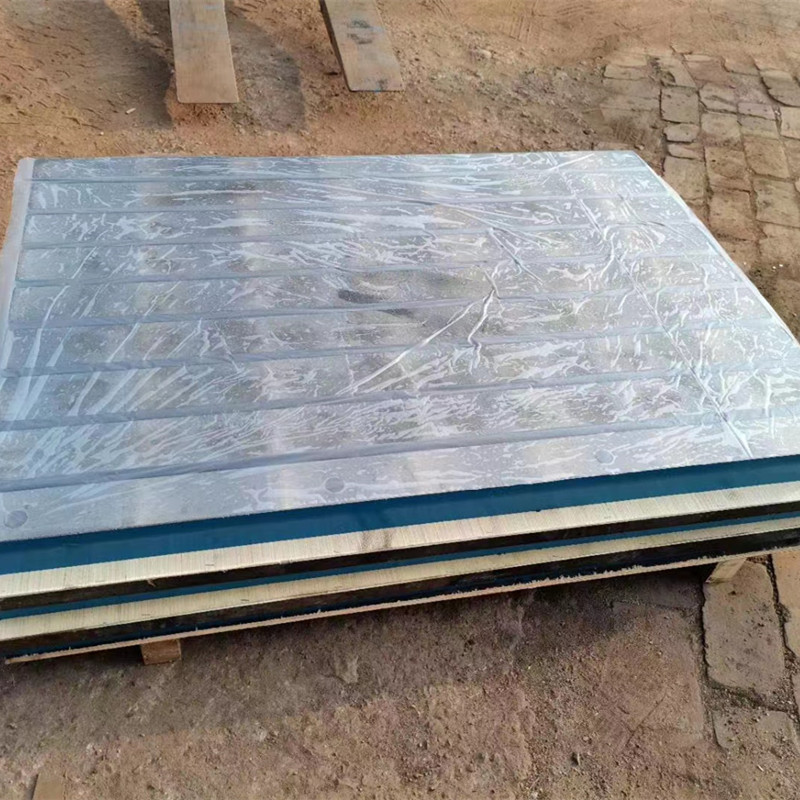
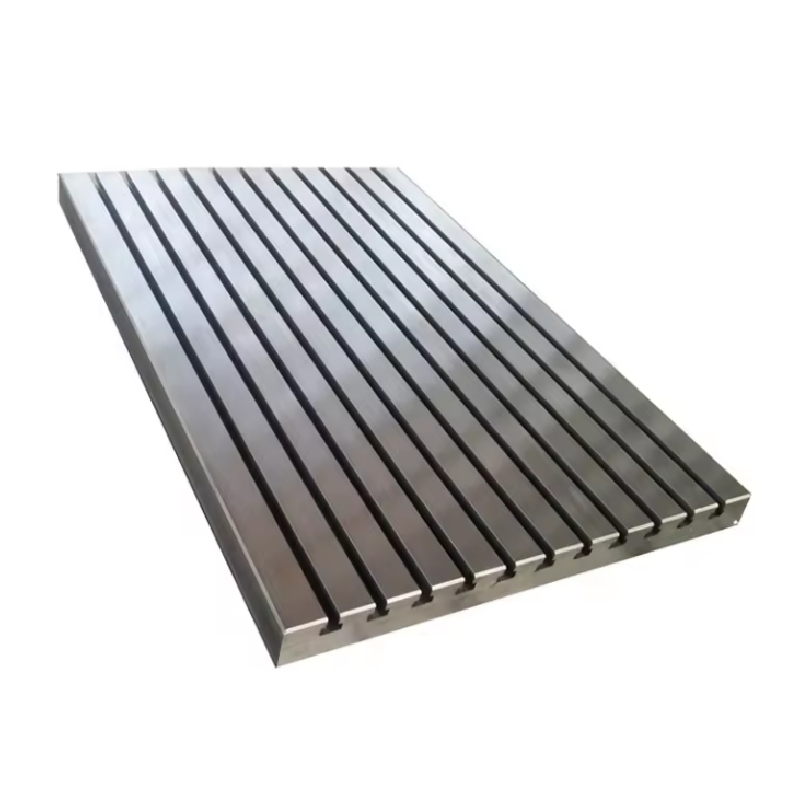
Understanding the 24 x 36 Surface Plate Importance and Applications In the realm of manufacturing and precision engineering, the surface plate serves as a fundamental tool for establishing a flat reference surface. A surface plate that measures 24 inches by 36 inches is a common size that strikes a balance between usability and versatility, making it an essential asset in various industries. This article delves into the significance, characteristics, and applications of the 24 x 36 surface plate. What is a Surface Plate? A surface plate is a flat, solid plate made from materials such as granite, cast iron, or steel, meticulously machined to achieve a high degree of flatness. The primary purpose of a surface plate is to provide a reliable base for measuring, testing, and inspecting the flatness of components, tools, or fixtures. Precision is paramount in manufacturing, and the surface plate aids in ensuring that products conform to specified tolerances. Importance of Flatness Flatness is a vital aspect of precision measurements in engineering. An uneven surface can lead to inaccuracies, which may cause catastrophic failures in manufactured products . With a 24 x 36 surface plate, engineers and technicians can perform measurements that are critical to ensuring the quality and reliability of parts. This surface eliminates variables in measurement by providing a stable reference that minimizes the risk of distortion and provides a consistent measuring environment. Key Characteristics 1. Material Most surface plates are made from granite or cast iron, with granite being favored for its resistance to wear and thermal stability. A granite surface plate is non-porous, which means it will not absorb liquids that could lead to corrosion or other forms of damage. 2. Surface Hardness A high level of hardness is essential to prevent wear during prolonged usage. Granite plates typically have a hardness rating of around 6-7 on the Mohs scale, which makes them ideal for heavy-duty applications. 3. Flatness Tolerance The flatness of a surface plate is meticulously measured and often rated according to industry standards. A precision surface plate should maintain a flatness tolerance of 0.0001 inches or better, depending on its classification. 24 x 36 surface plate 4. Size and Portability The 24 x 36 dimensions make this surface plate suitable for a variety of tasks without occupying too much workspace. Its manageable size allows for ease of transport and usage in different settings, from small workshops to larger manufacturing facilities. Applications The versatility of the 24 x 36 surface plate makes it suitable for numerous applications, including - Inspection and Measurement It serves as a primary tool for gauging the flatness of machined parts, ensuring they meet the necessary specifications before assembly. - Assembly Fixture Engineers can use the surface plate as a staging area for precision assembly, allowing them to align and fit components accurately without distortions that could arise from less stable surfaces. - Tool Calibration Precision measuring instruments, such as calipers and micrometers, can be calibrated against the surface plate, confirming their accuracy. - Manufacturing Setup In CNC machining and other automated processes, the surface plate can assist in setting up and leveling machinery, ensuring that operations proceed without unexpected deviations. Conclusion The 24 x 36 surface plate is an indispensable tool for ensuring precision in manufacturing and engineering fields. Its ability to provide an accurate reference surface cannot be overstated; it underpins vital processes from inspection to assembly and calibration. As industries continue to demand higher precision and quality, the role of surface plates in achieving these objectives will remain significant. Investing in a high-quality surface plate is a decision that pays dividends in accuracy, reliability, and ultimately, product quality.
-

High quality industrial productsagement

High quality industrial products
View Details -

Meet the diverse needs of customers

Meet the diverse needs of customers
View Details -

Strict quality control

Strict quality control
View Details -

Top raw materials

Top raw materials
View Details -

Trusted supplier

Trusted supplier
View Details
Our application


news and information
Varieties of Flow Control Valves and Their Applications in Fluid Management
Different Types of Flow Control Valves Flow control valves are essential components in various fluid
Válvula globo de 3 polegadas
A válvula de globo de 3 polegadas é um componente essencial em sistemas de tubulação, especialmente
Verstellbarer Erdanker – Optimale Stabilität für Ihr Bauprojekt
Verstellbare Bodenanker Eine innovative Lösung für zahlreiche Anwendungen Verstellbare Bodenanker si
 English